

Beginning to sprout
Why we've decided to launch Verdant and what you can expect from our publication


Welcome to Verdant – where money meets climate justice.
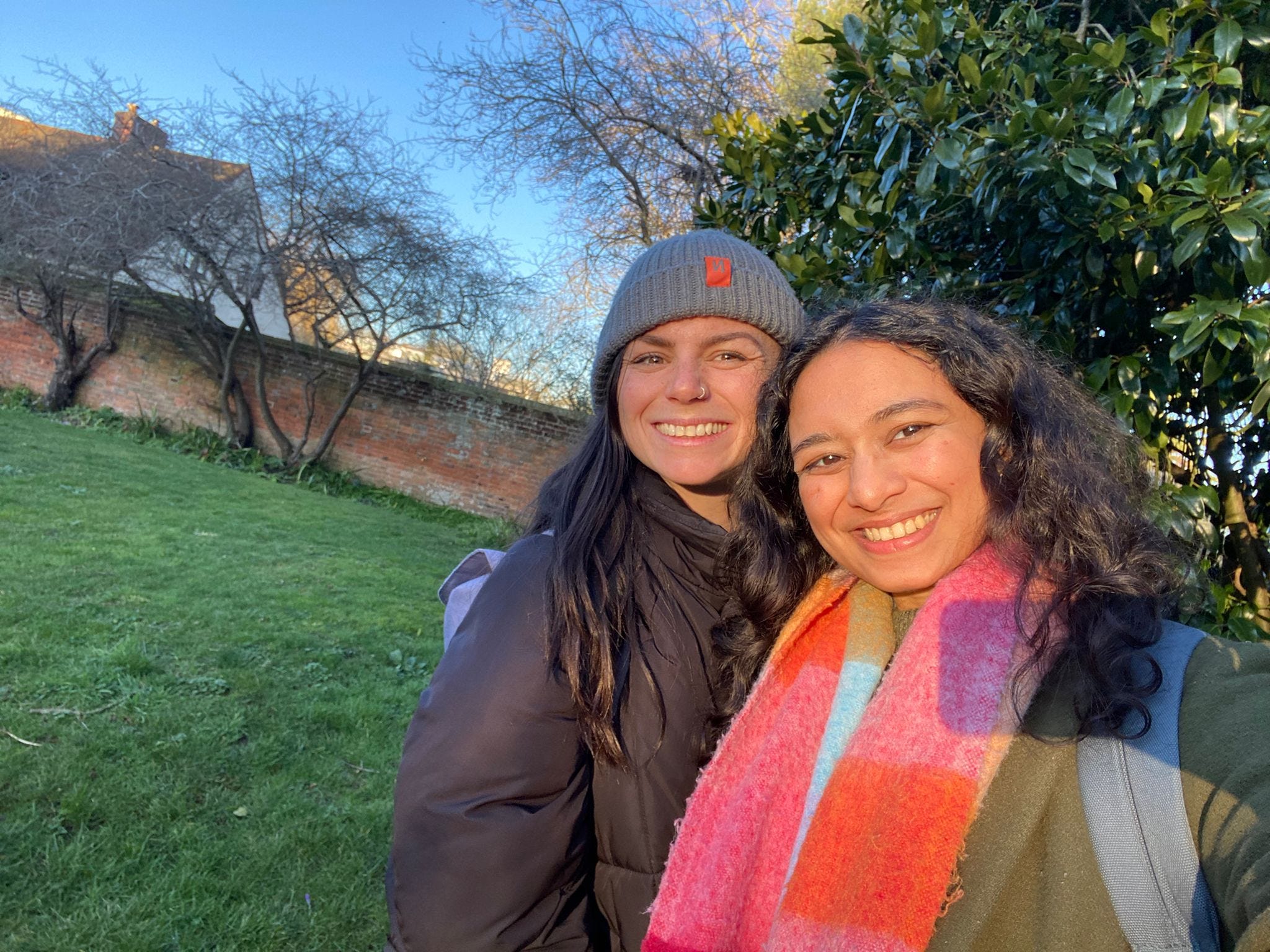
AFTER years working as tech journalists with a focus on venture capital, we (Riddhi and Tasmin) found ourselves having the same conversation over and over: Why are investors, flush with cash, not putting money where it matters?
To us, that means funding solutions to the climate crisis through a people-first lens. It’s something many investors have paid lip service to but quickly waived on when the wider economy looked shaky (thank you, Trump, and Europe’s shift to the right). When reporting for her book, “Clean up on aisle Earth” (404 Ink, October 2025), Tasmin repeatedly found a lack of political and financial appetite for true transformation and wanted to explore this more. For one, global fossil fuel subsidies far outweigh investment into clean energy; considering where we are meant to be in this transition, that just doesn’t stack up.
Fundamentally, the climate crisis is one of humanity’s largest threats, compounded by parallel biodiversity and water crises. It already costs us billions, from failed crops in drought-stricken areas to tormenting wildfires and floods, yet there is an unwillingness to be creative and fund equitable solutions. That’s a conversation we aim to kickstart by covering this intersection of climate finance and justice, an area we believe has been overlooked by existing outlets.
With our ears to the ground, you can rely on Verdant to bring you the latest in climate finance as well as exclusive interviews with everyone from investors to activists. Twice a month, we’ll bring you curated, nuanced takes and analysis on the latest news items and trends on energy, climate and money. Hit the subscribe button so you’re notified when new articles drop. We’ll be chatting with you in the Substack app and publishing notes, so let us know if there’s something we should be covering or if you just want to say hi. You can also drop us a note at verdantsubstack@gmail.com.
Here are three things we’ve been thinking about recently, if you want something to mull over before we get started:
The Loss and Damage Fund, created to help developing countries deal with the fallout of climate disasters, is going to dish out $250m by the end of 2026 in the initial phase of its deployment. One thing that’s always struck me is the sheer lack of foresight for adaptation here – theoretically (though, of course, idealistically too), we wouldn’t need such a hefty Loss and Damage Fund if we had backed adaptation earlier. Current funding and ambition is nowhere near the scale that’s needed. For example, damage from the devastating floods in Pakistan equated to $30bn in losses – and that’s just one extreme weather event. Loss and Damage Fund is critical in supporting the impacts beyond what adaptation can achieve but we, of course, have not moved fast enough in curbing pollution for it to really matter. – Tasmin
Banks hold and lend money. Can we move toward a future where consumers start trading energy as a commodity? This idea spun out of my discussion with Jonathan Carrier, the founder of energy storage startup Allye Energy – and he certainly seems to think so. If we were to implement more microgrids and localised battery and energy storage facilities in communities, we would have more agency over the energy we use. We could put the surplus solar energy from all those delightfully sunny days we’ve had recently to some use (in addition to the dash of serotonin we got, of course). Still, challenges remain – we don’t really have the infrastructure or regulation in place for this lofty ambition yet. All the more reason to back BESS… – Riddhi
I have always admired the work of Drilled, a podcast that positions the climate crisis as true crime and was set up by climate corruption journalist Amy Westervelt. Lately, I’ve been binging Drilled’s “SLAPP’d” season, which unpicks the legal battle between energy company Energy Transfer and Greenpeace. Despite what’s happening in the courts, it’s hooked around Standing Rock, which was an Indigenous nation’s fight to protect its water from the controversial Dakota Access Pipeline. Reporter Alleen Brown does a great job weaving together complex and convoluted details into a compelling narrative. I haven’t finished the season yet but one of the main lingering questions is, who funded action at Standing Rock and where did the money go? – Tasmin
 | A guest post by
|
 | A guest post by
|
Yes! So glad to see this out in the world. Congrats team 🧡